At Marbleblu, we specialize in professional travertine cleaning, polishing, repair and restoration for floors, showers, bathrooms, countertops, walls and other natural stone surfaces. Travertine can develop scratches, dull spots, stains, cracks, holes, loose tiles and uneven finishes over time. Our work includes deep cleaning, diamond honing, polishing, refinishing, stain removal, grout repair, regrouting, sealing, and repairing cracked, chipped, broken or shifting travertine tiles. We also repair loose tiles that move or sound hollow when walked on, addressing problems with the tile's bond to the underlying surface when repair is feasible.
Travertine, before and after
Pits and worn areas filled, refinished and brought back to an even surface.
Play it here with sound
Travertine, before and after
Pits and worn areas filled, refinished and brought back to an even surface.
What we restore
Travertine problems usually fall into a handful of categories. Each needs a different approach, so we assess the stone before recommending work.
Natural cavities, deteriorated factory filler and exposed voids filled and refinished to blend.
Tiles that move, sound hollow, shift or crack — evaluated for reset, repair or replacement.
Deteriorated, cracked or missing grout joints repaired so the floor stays tight and cleanable.
Deep cleaning, honing, polishing and lippage correction to bring a worn floor back to an even finish.
Service 01
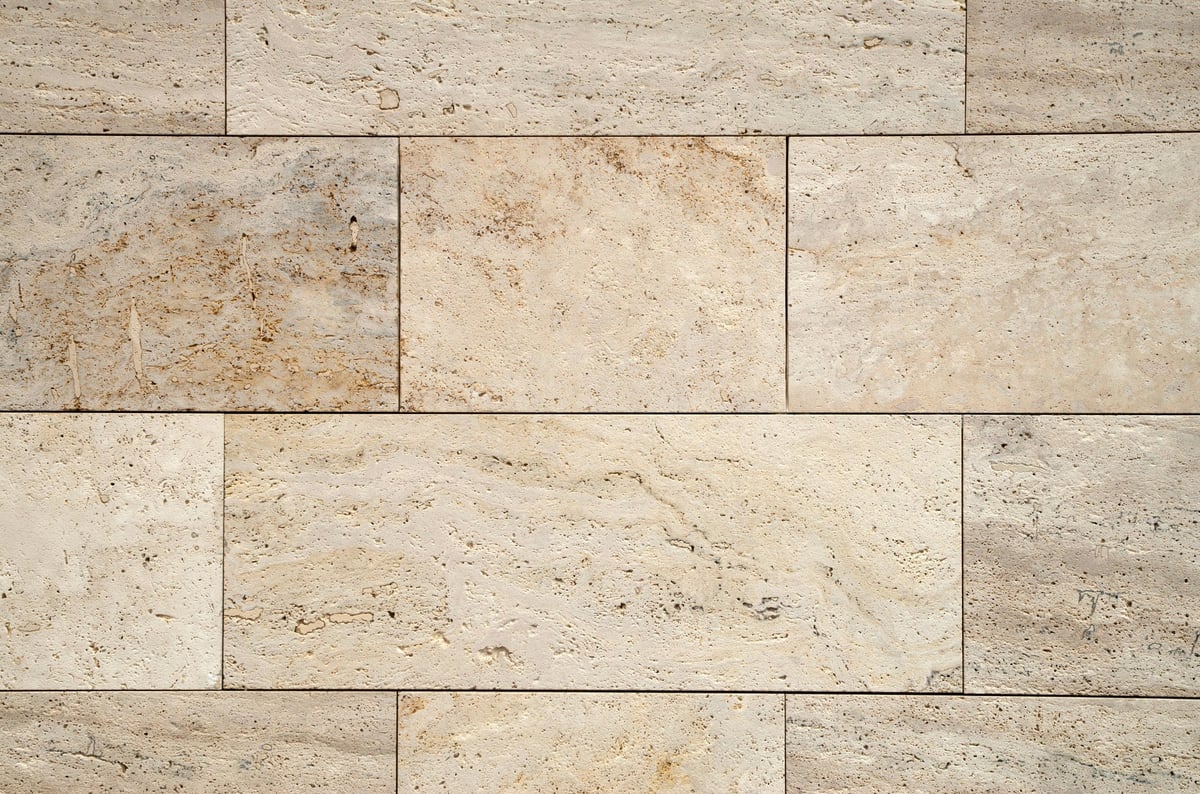
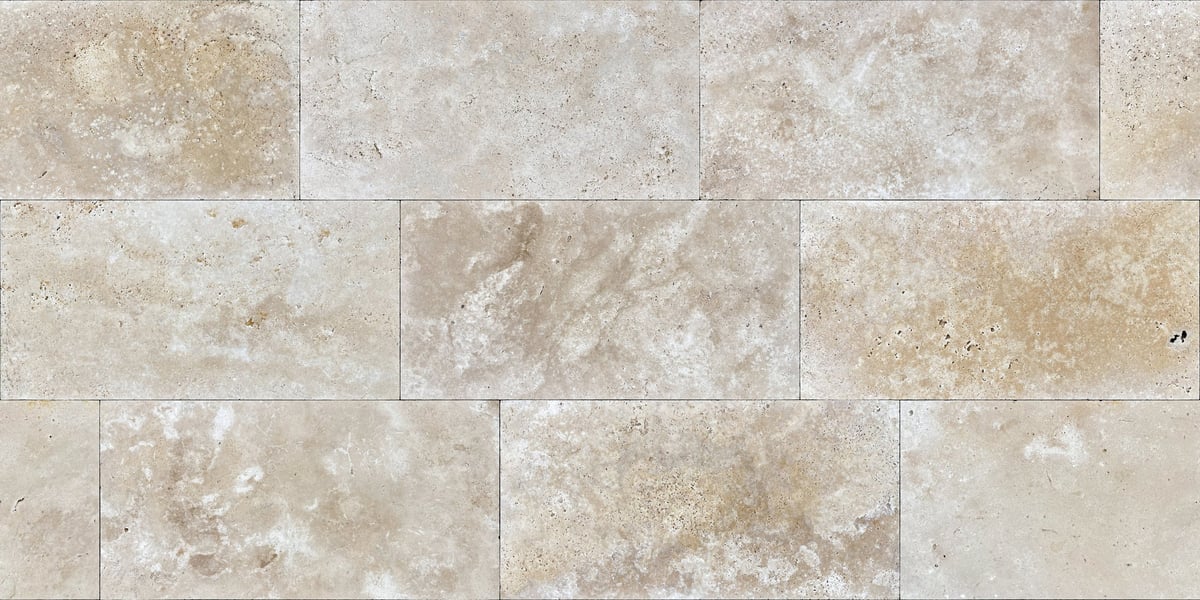
One of the most common problems with travertine is the appearance of small holes, pits and cavities in its surface. Travertine is naturally porous and forms with internal voids and channels created during its geological formation.
During manufacturing, many of these openings are filled with a cement-based or resin filler to create a smoother surface. Over time, these fillers can deteriorate, loosen or fall out due to foot traffic, repeated cleaning, moisture exposure or normal wear. In some cases, previously concealed natural cavities become exposed as the thin layer of stone above them breaks away. These holes do not necessarily mean the travertine is defective — they are often associated with the stone's natural structure.
At Marbleblu, we repair travertine holes and pits using appropriate stone repair fillers selected to blend with the surrounding surface. We also replace deteriorated factory filler, repair larger cavities when practical, and refinish repaired areas to create a more consistent appearance.
Service 02
Loose or moving travertine tiles can result from deteriorating mortar, improper installation, insufficient bonding, moisture-related problems, substrate movement, or movement within the flooring system. Some tiles may produce a hollow sound when tapped, while others may shift, crack or become unstable underfoot.
Our technicians evaluate the condition of the affected tiles to identify the likely cause and determine whether they can be securely reset, repaired, or require replacement.
We also repair chipped edges, cracked tiles, damaged grout joints and uneven tile surfaces when conditions permit.
Service 03
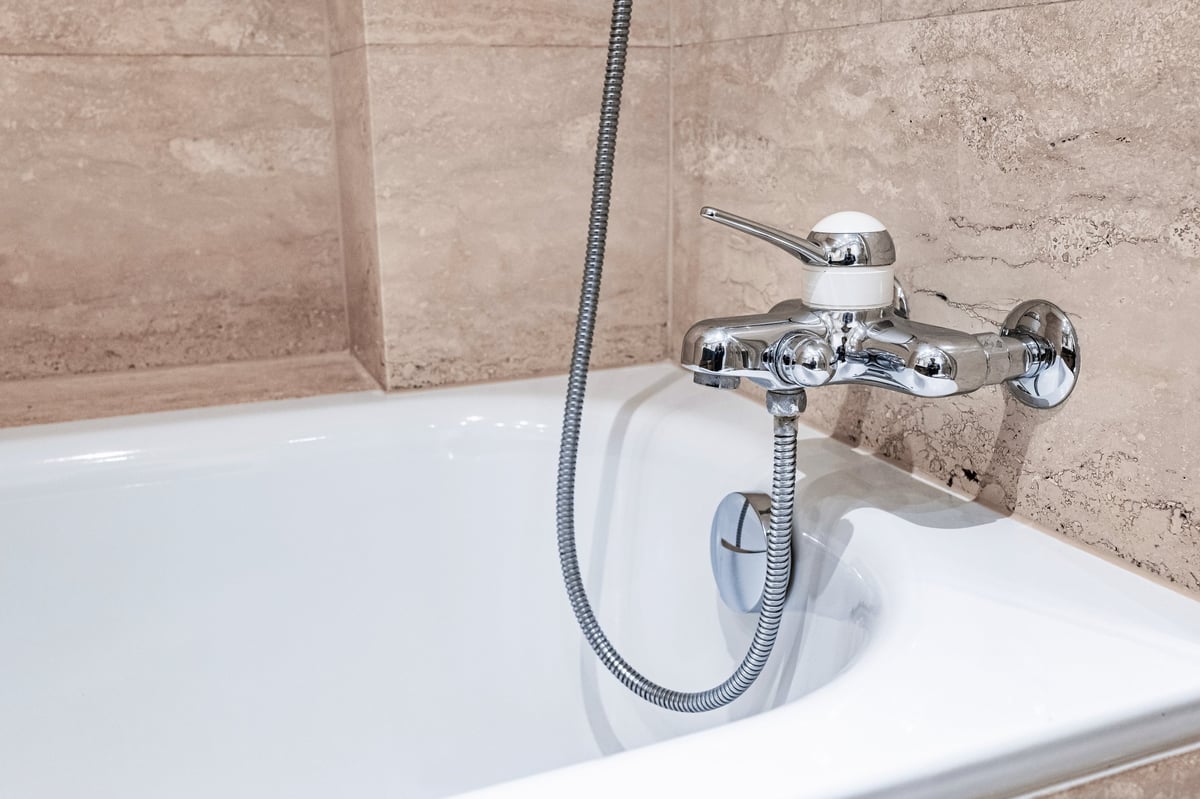
Grout joints between travertine tiles are the most exposed part of the floor. They crack, shrink, crumble and collect soil long before the stone itself shows wear, and once a joint opens, water and grit reach the layers beneath the tile.
We remove deteriorated grout, repair damaged joints and regrout where the existing material can no longer do its job. Where a joint has failed because tiles have shifted, we assess the tiles at the same time so the repair addresses the cause rather than only the surface.
Grout work is planned alongside cleaning and sealing, so the finished floor is consistent and the repaired joints are protected.
Service 04
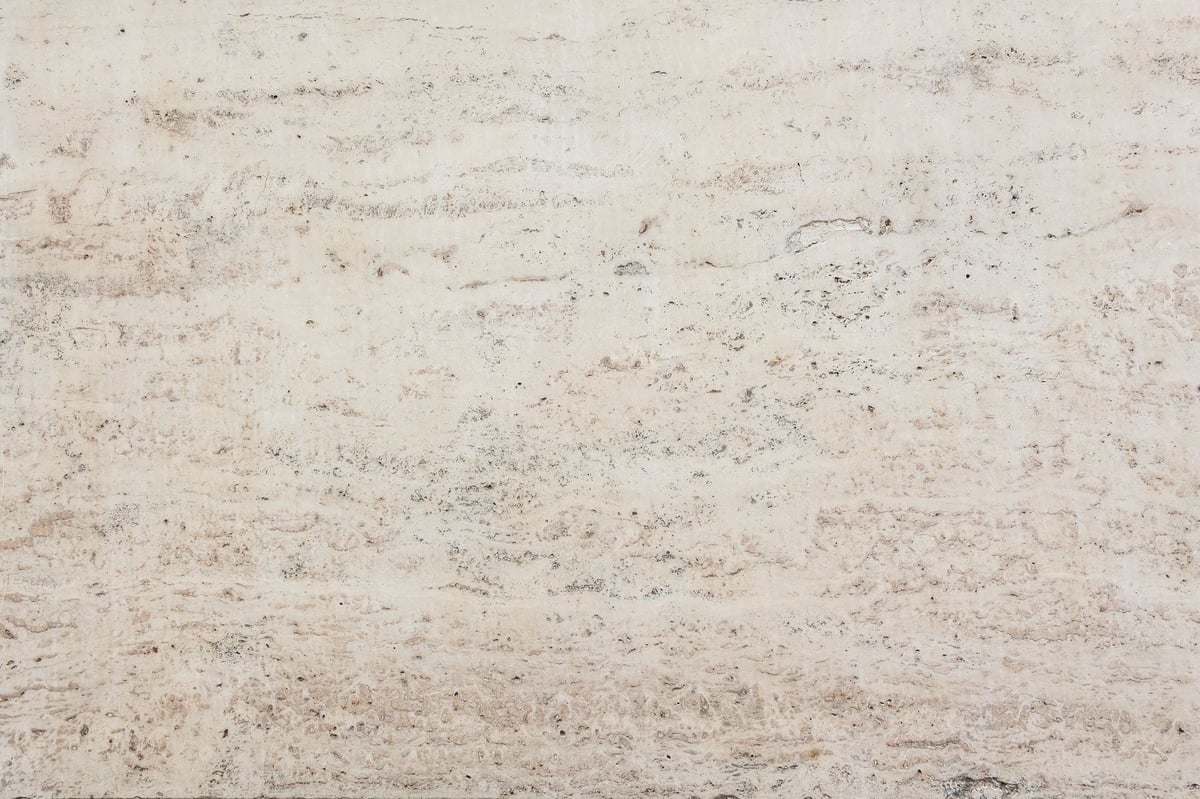
Whether your travertine has a polished, honed, brushed or tumbled finish, we can clean and refinish the stone to restore its intended appearance.
Soil worked into the pores lifted out rather than pushed around.
Surface scratches and acid marks corrected through honing.
Uneven tile edges reduced through lippage removal when appropriate.
Dull or worn floors brought back to an even, uniform finish.
We also restore travertine showers, bathroom floors, kitchen surfaces and commercial flooring affected by regular use, cleaning residue and surface deterioration.
Our goal is to preserve your existing travertine whenever practical, repair damaged areas, and restore the natural stone without unnecessary replacement. From individual tile repairs to complete travertine floor restoration, Marbleblu provides solutions based on the condition of the stone and the repairs it actually needs.
How we work
Travertine rarely has one problem. We separate structural issues from surface ones so the work matches the condition of the stone.
We identify what the stone is doing: holes, loose tiles, failing grout, scratches, etches or a worn finish. Each points to different work.
Holes and pits filled, deteriorated factory filler replaced, loose tiles evaluated and reset where feasible, damaged grout corrected.
Cleaning, honing, polishing and sealing bring repaired areas and surrounding stone to a consistent appearance.
Travertine is a natural stone with voids and channels in its structure. Holes and pits that appear are usually part of the material rather than a manufacturing fault, and repair is about restoring a consistent surface — not about making the stone something it isn't.
Common questions
Free estimate
Send photos of the affected area and describe where the travertine is installed and what has changed. We'll explain what the repair likely involves and what to expect from the work.